


When we think about reducing waste, recycling is often the first thing that comes to mind. But some of the most useful sustainability decisions happen long before a product reaches the recycling bin.
From printed materials and branded merchandise to uniforms, packaging and distribution, the choices made at the beginning influence how much we use, how long products last and what happens to them afterwards.
At Buckner Brand Management, we believe responsible procurement starts with asking better questions. What do we need to achieve, and is there a better way to achieve it?
Here are six considerations to help businesses make more thoughtful purchasing decisions.
Order smarter, not necessarily more
A lower unit price does not always mean better value. Ordering additional quantities may seem economical, but excess stock can tie up budgets, occupy storage space and eventually become obsolete.
Before placing an order, consider how much is needed, how quickly it will be used and whether the branding or information is likely to change. A short-term promotional campaign may require a different approach from everyday operational supplies.
Centralised ordering, inventory visibility and reporting can support better decisions. For organisations with multiple locations, checking existing stock before reordering can also help reduce duplication and unnecessary purchases.
The goal is to order what you actually need.
Choose materials with purpose
Products labelled recycled, recyclable or environmentally friendly are not necessarily the most suitable choice for every application.
Consider how the product will be used, the conditions it needs to withstand and its expected lifespan. A durable product may offer better value and require fewer replacements.
Ask whether environmental claims are supported by evidence and whether suitable collection or recycling options exist where the product will be used. A material that is technically recyclable may not be readily recycled in practice.
Looking beyond the label helps businesses balance suitability, durability, quality and responsible sourcing.
Make branded merchandise worth keeping
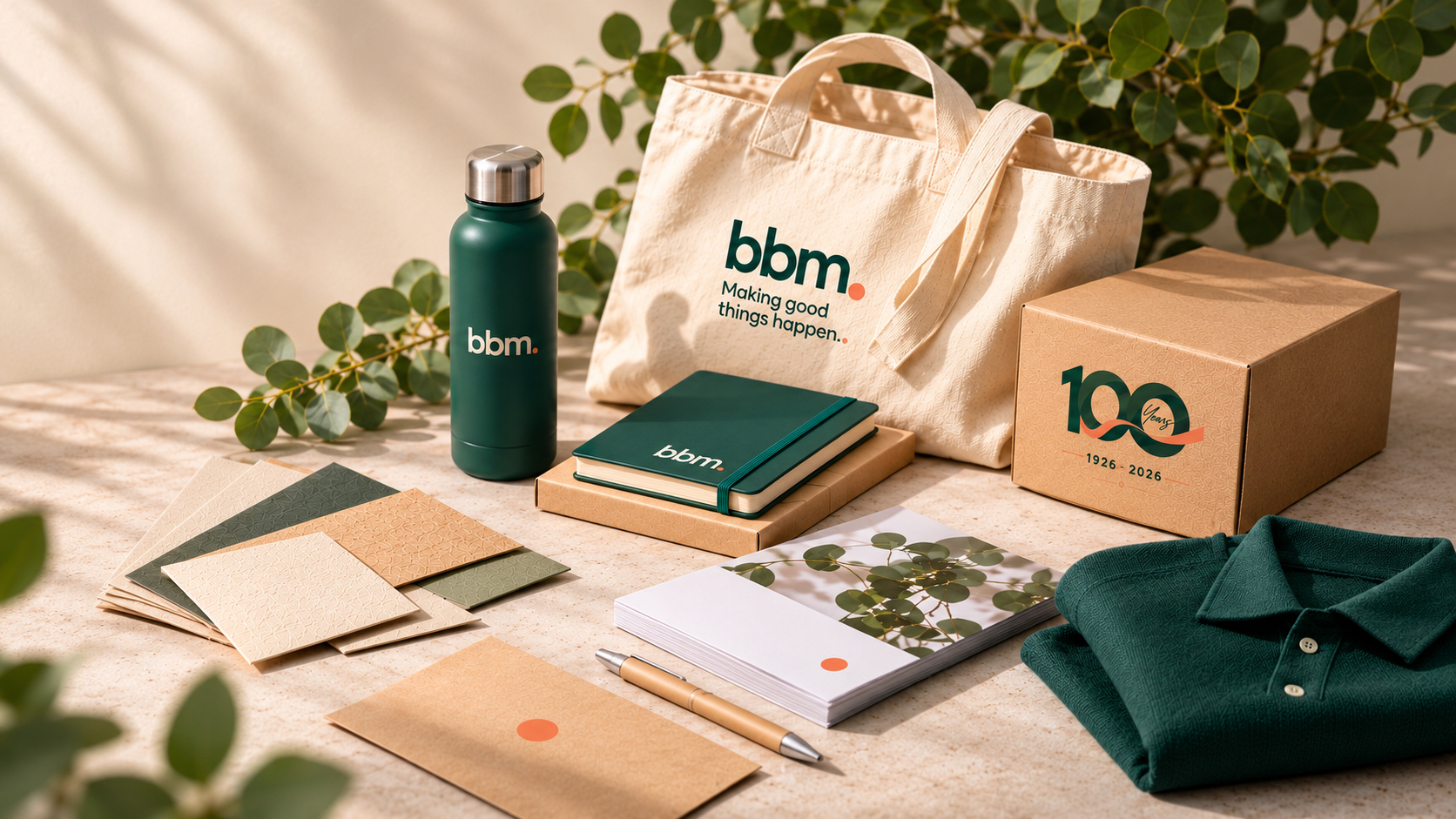
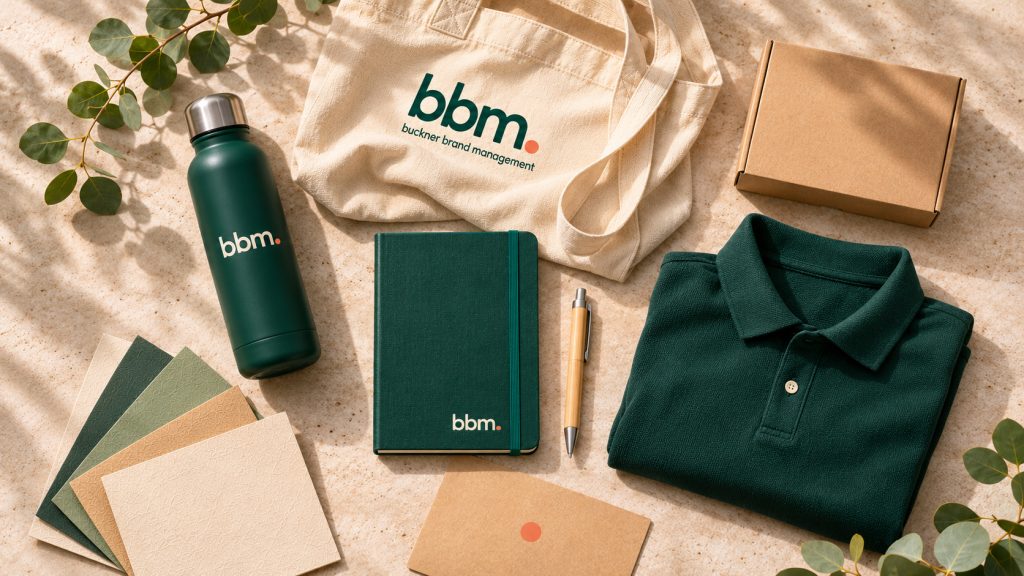
Branded merchandise can create meaningful connections with customers, employees and communities. Its value depends on whether people want and use it.
A practical, well-designed product that becomes part of someone’s everyday routine may deliver more lasting value than several inexpensive items that are quickly discarded.
Before selecting merchandise, consider who will receive it, what purpose it serves and how likely it is to be kept. Quality, design and appropriate branding all influence whether an item is valued long after an event or campaign.
Good merchandise should earn its place.
Ask whether a product is needed
This might sound unusual coming from a business that supplies branded merchandise. But good advice means recommending what is right for the customer, even when that does not involve another product order.
Start with the intended outcome. Is the goal brand awareness, customer engagement, employee recognition or generating enquiries?
Merchandise may be an excellent solution. In other situations, improved customer resources, a targeted digital campaign, a memorable experience or a community initiative may be more appropriate.
Asking whether a product is needed at all can be one of the most useful questions in responsible procurement. It helps keep the focus on achieving the intended outcome and making thoughtful use of the available budget.
Look beyond the product
Packaging, warehousing and distribution also deserve attention.
For organisations managing multiple sites, opportunities may include consolidating orders, reducing excess packaging, improving inventory planning and avoiding unnecessary deliveries. Planning ahead can also help reduce urgent dispatches and fragmented shipments.
Considering the full supply process can reveal improvements that are easy to overlook when individual purchases are assessed in isolation.
A coordinated approach helps teams balance cost, service, quality and waste reduction.
Plan for what happens next
Even carefully selected products eventually reach the end of their useful lives. Considering reuse, repurposing and recycling options before purchasing helps businesses plan for that point.
Sometimes these solutions can also create broader community benefits.
When a national organisation needed a solution for branded apparel at the end of its useful life, BBM worked with the customer to explore alternatives to landfill.
Following consultation, we partnered with Endeavour Foundation, an organisation providing supported employment opportunities for people with intellectual disabilities. The approach provided a pathway for garments to be repurposed into products such as cleaning rags or processed for other uses, including insulation.
Alongside finding another use for the materials, the initiative supported employment opportunities and the sale of repurposed products.
It illustrates the value of considering what happens beyond the original purchase—and involving the right partners in finding a suitable solution.
Making good things happen, responsibly.
Responsible procurement starts with asking better questions, considering the broader implications of purchasing decisions and being willing to explore alternatives.
At Buckner Brand Management, one of our core values is Freedom to do the right thing. It encourages our people to think independently, explore better solutions and make informed recommendations that serve our customers’ interests.
That approach shapes how we help customers select, manage and distribute the products their organisations need.